
Main Content Begins Here
MBSS Site Summary for: LICK-121-R-2017
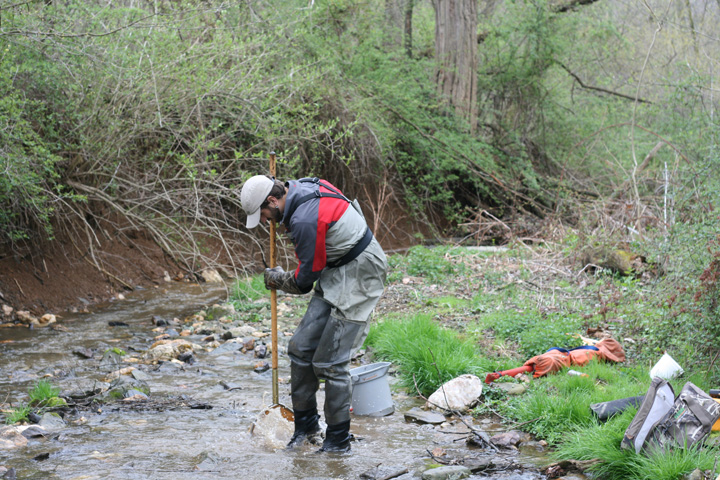
Site Photos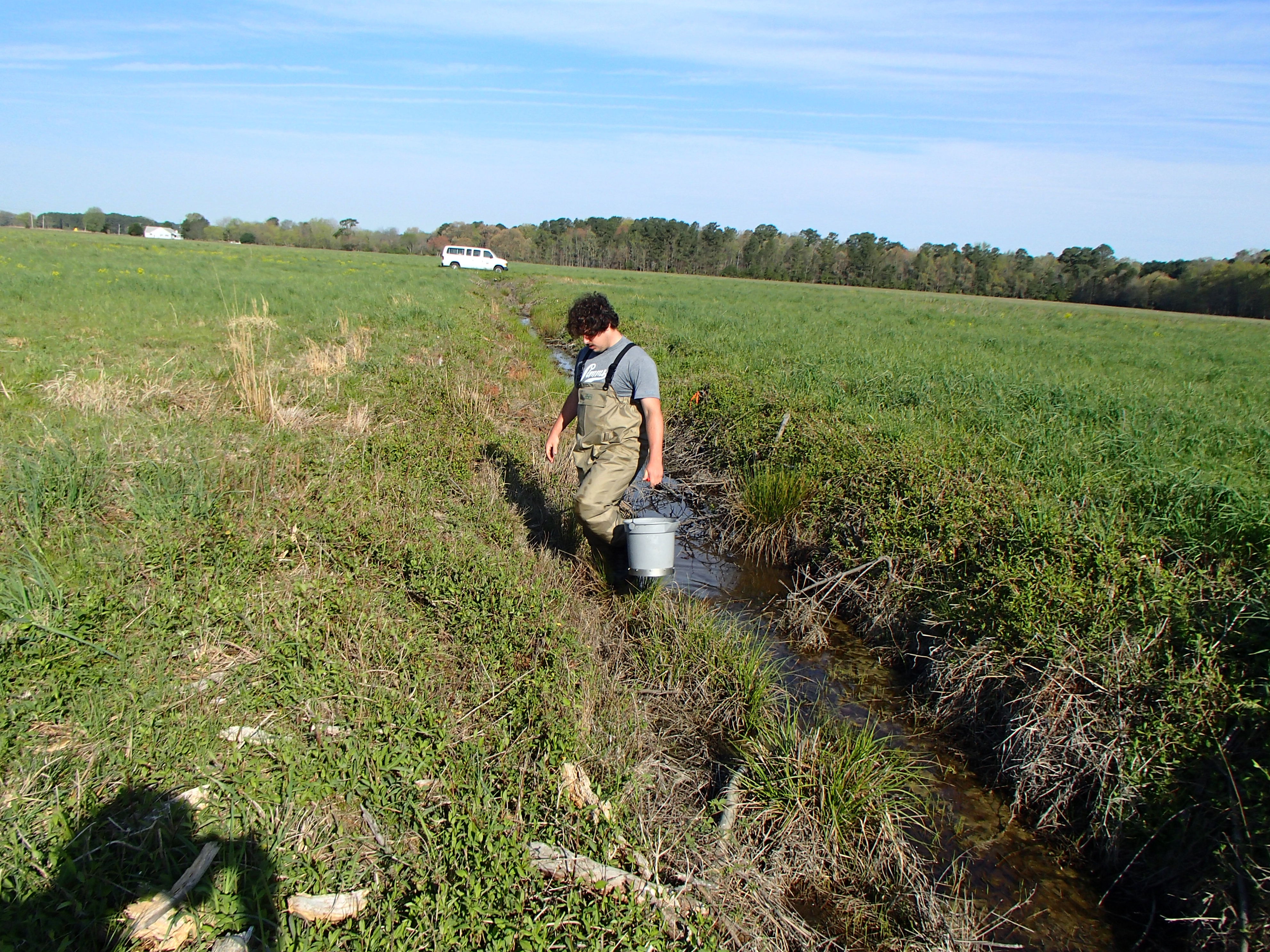 (Opens in a new window)
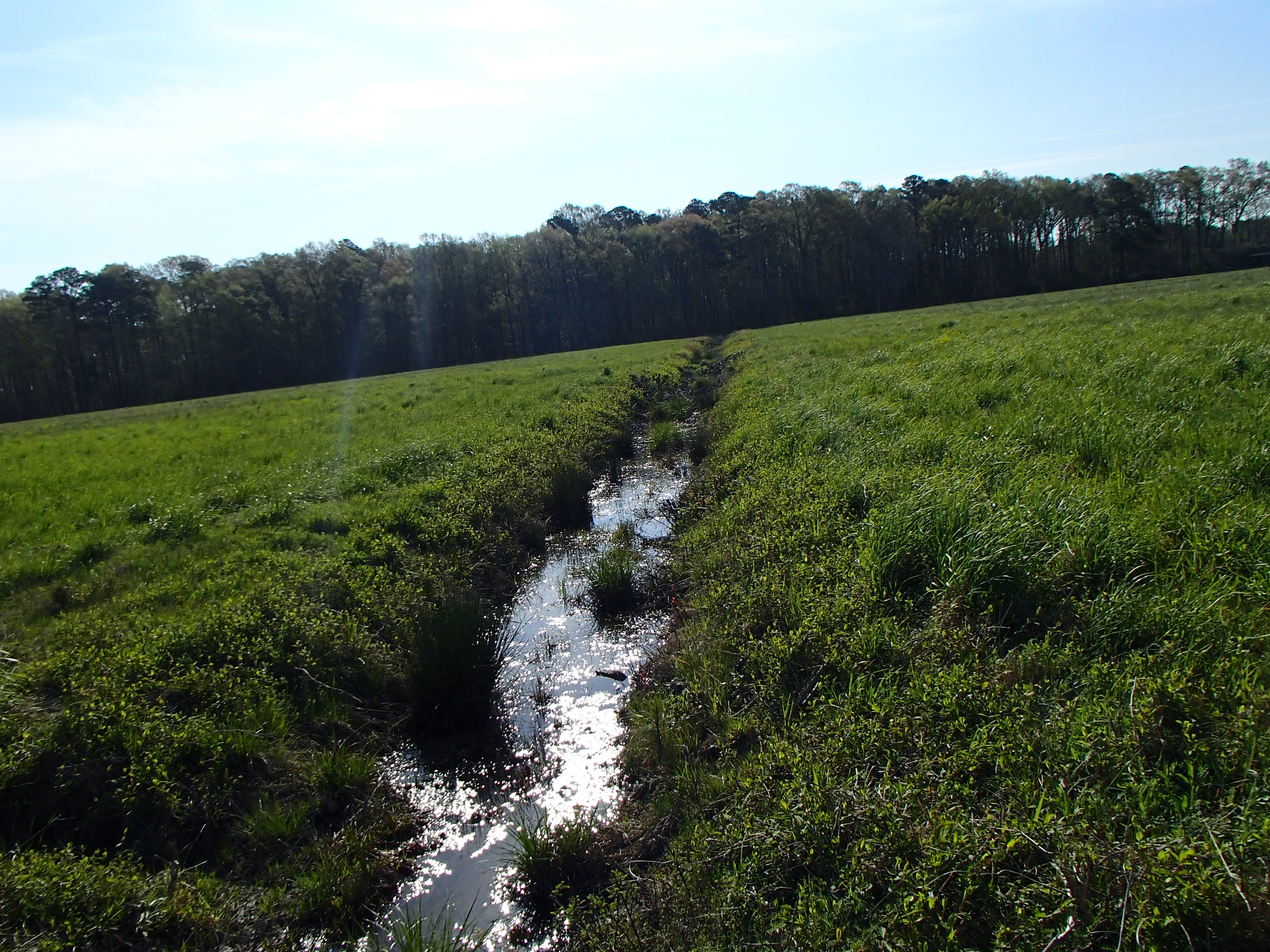 (Opens in a new window)
|
Located on UT Lee Creek in the Little Choptank watershed,
8-digit code: 02130402.
This stream was visited in the spring on 4/13/2017 and again in the summer on 8/1/2017.
Index of Biotic Integrity (IBI) Results:An Index of Biotic Integrity (IBI) is a scientific tool used to identify and classify stream health. An IBI associates anthropogenic influences on a stream or with biological condition in the stream, and is formulated using data developed from biosurveys.Details on the development and application of MBSS IBIs are in this document. |
|
| Fish IBI | N R |
|---|---|
| Benthic IBI | Poor - 1.9 / 5.0 |
Land UseLand use can provide important information for determining stream health. |
||
|---|---|---|
| Catchment area | No data available |
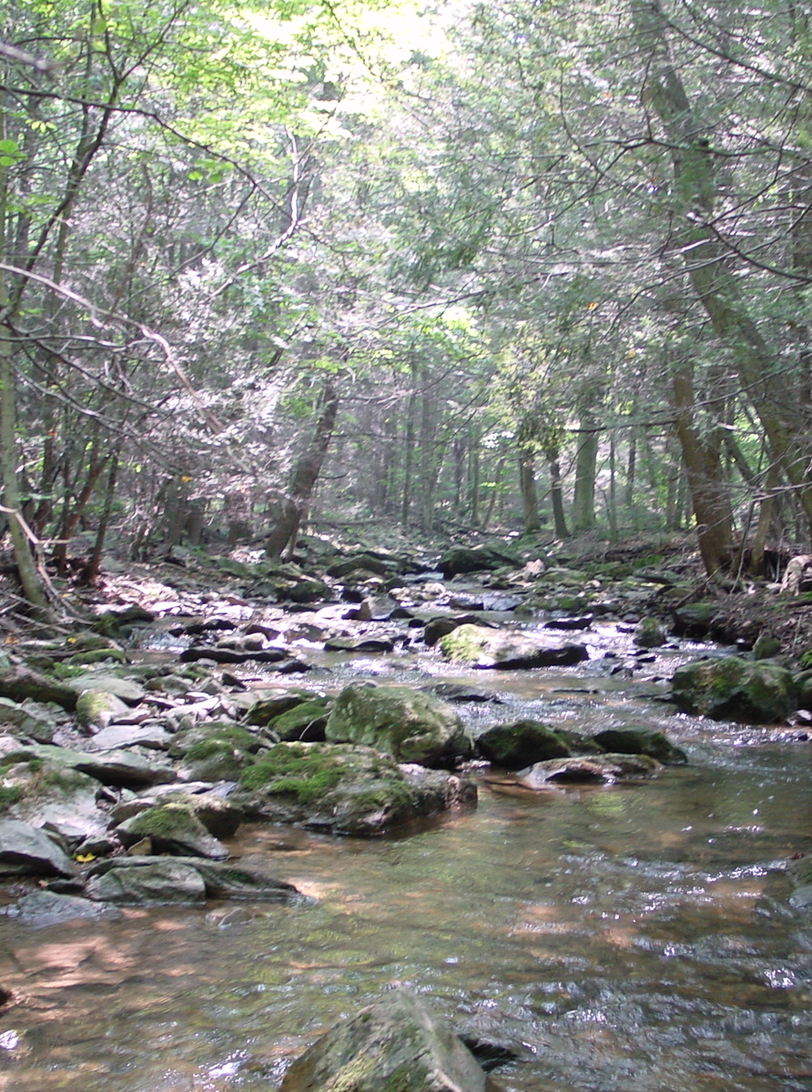 An example of a forested stream.
|
| Urban Land Use | 22 % | |
| Agricultural Land Use | 35.6 % | |
| Forested Land Use | 39 % | |
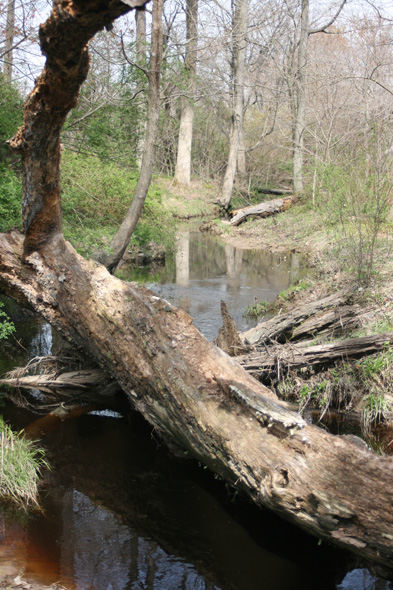
An example of woody debris in a stream. |
Physical Stream Habitat |
|
| Instream Habitat | 0/20 (Poor) | |
|---|---|---|
| Epifaunal Substrate | 0/20 (Poor) | |
| Velocity/Depth Diversity | 0/20 (Poor) | |
|
Pool Quality
Pool Extent = 0 meters |
0/20 (Poor) | |
|
Riffle Quality
Riffle Extent = 0 meters |
0/20 (Poor) | |
| Shading | 10 % | |
| Embeddedness | 100 % | |
| The embeddedness, a measure of silt on the stream bottom, was 100%. This is very high, and may adversely affect biotic communities. | ||
| Several measures of instream habitat were considered 'Poor' at this location. | ||
Stream Water Quality: |
|
|---|---|
| pH (lab) | 4.49 |
|
Alkalinity (acid neutralizing capacity) |
-32.1 µeq/L |
| Dissolved organic carbon (DOC) | 10.105 mg/L |
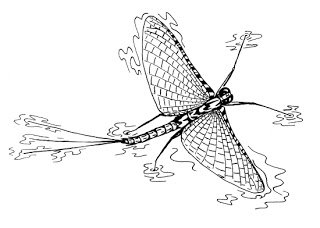
Biological Stream Condition:Surveys of the organisms living within a stream can give indications of stream health. Species richness, or the number of different species present, as well as indicator species (species whose presence, absence or abundance can serve as a measure of environmental conditions) are informative for stream health. |
 |
||

Information disclaimer: The information and data on this page is for guidance and general planning purposes only. It should not be used to make decisions on specific matters.