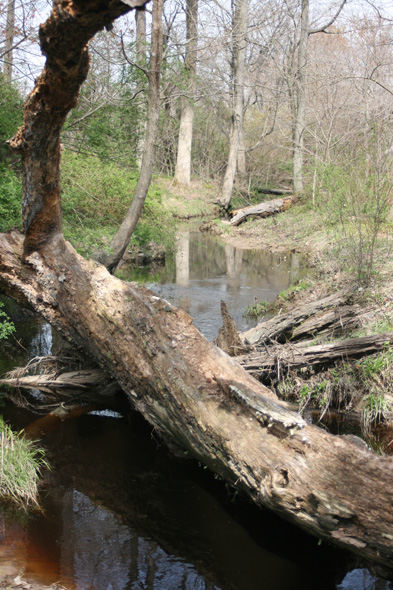
MBSS Site Summary for: SENE-317-R-2017
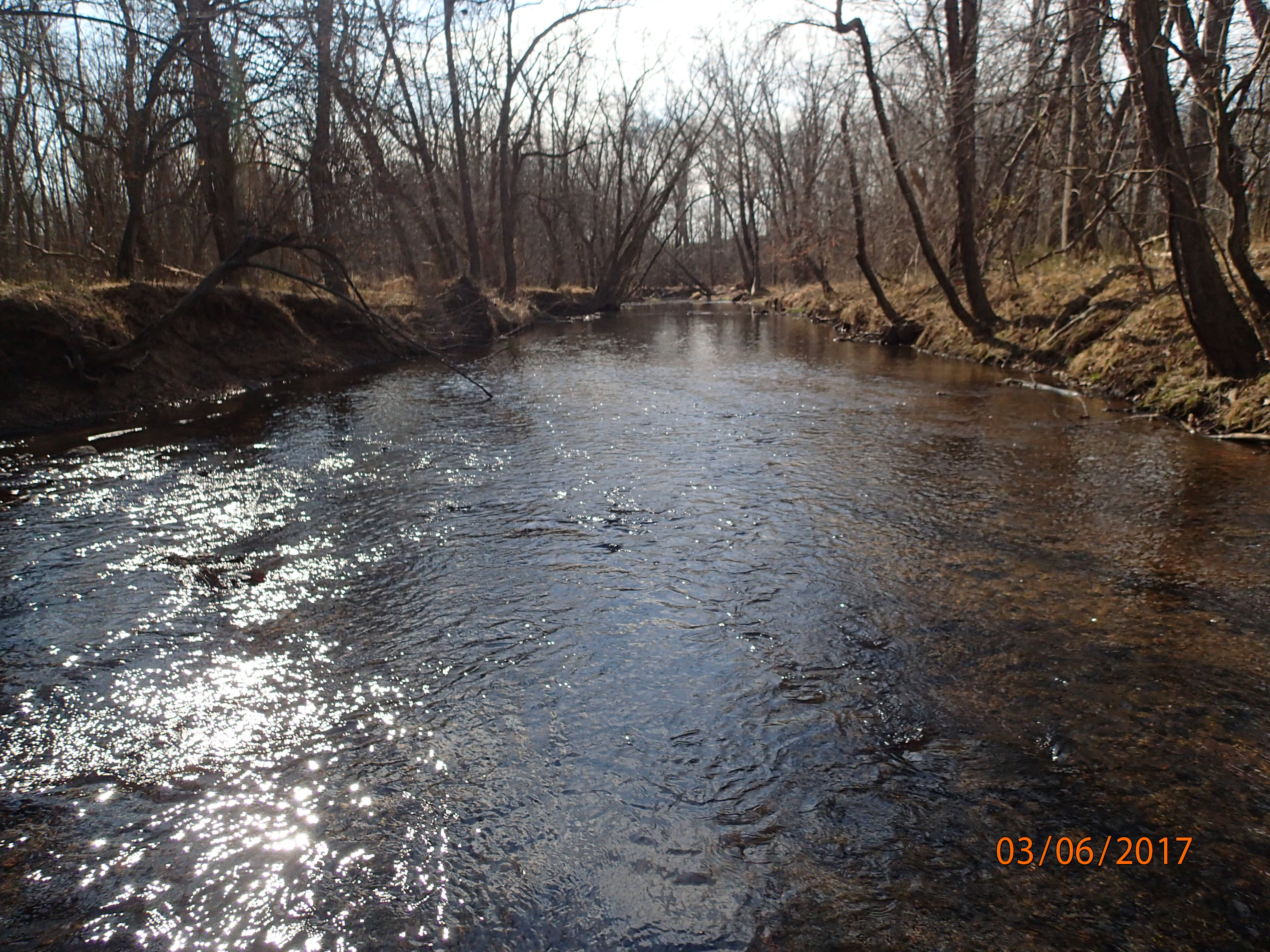
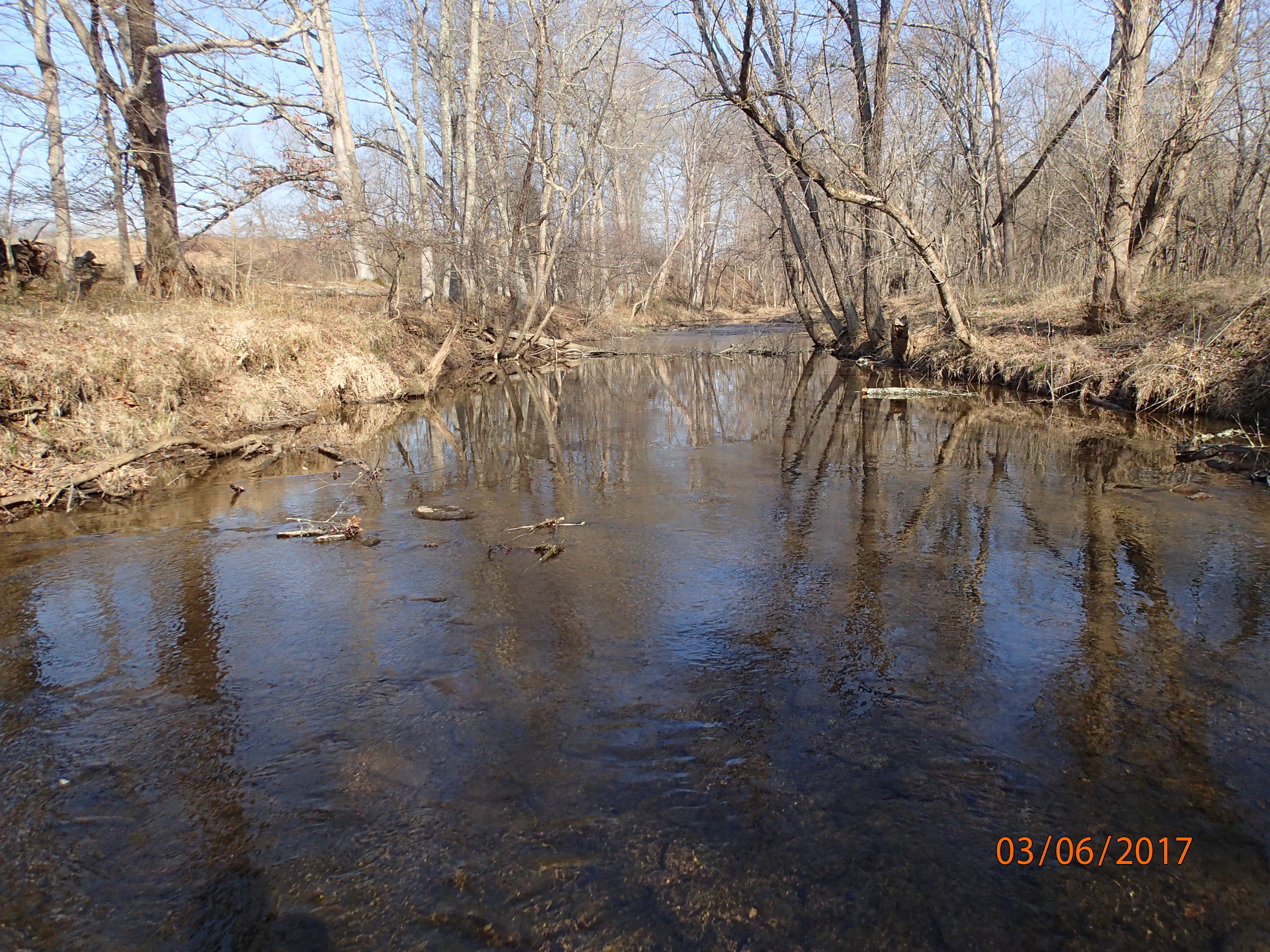
Located on Little Seneca Creek in the Seneca Creek watershed,
8-digit code: 02140208.
This stream was visited in the spring on 3/6/2017 and again in the summer on 7/13/2017.
Index of Biotic Integrity (IBI) Results:
An Index of Biotic Integrity (IBI) is a scientific tool used to identify and classify stream health. An IBI associates anthropogenic influences on a stream or with biological condition in the stream, and is formulated using data developed from biosurveys.
Details on the development and application of MBSS IBIs are in this document.
|
|
Fish IBI
|
Good - 4.7 / 5.0
|
|
Benthic IBI
|
Poor - 2.0 / 5.0
|
Land Use
Land use can provide important information for determining stream health.
(Hint: Screen readers will announce definitions; mouse users can hover over dotted text.)
|
|
Catchment area
|
18,422 acres
|
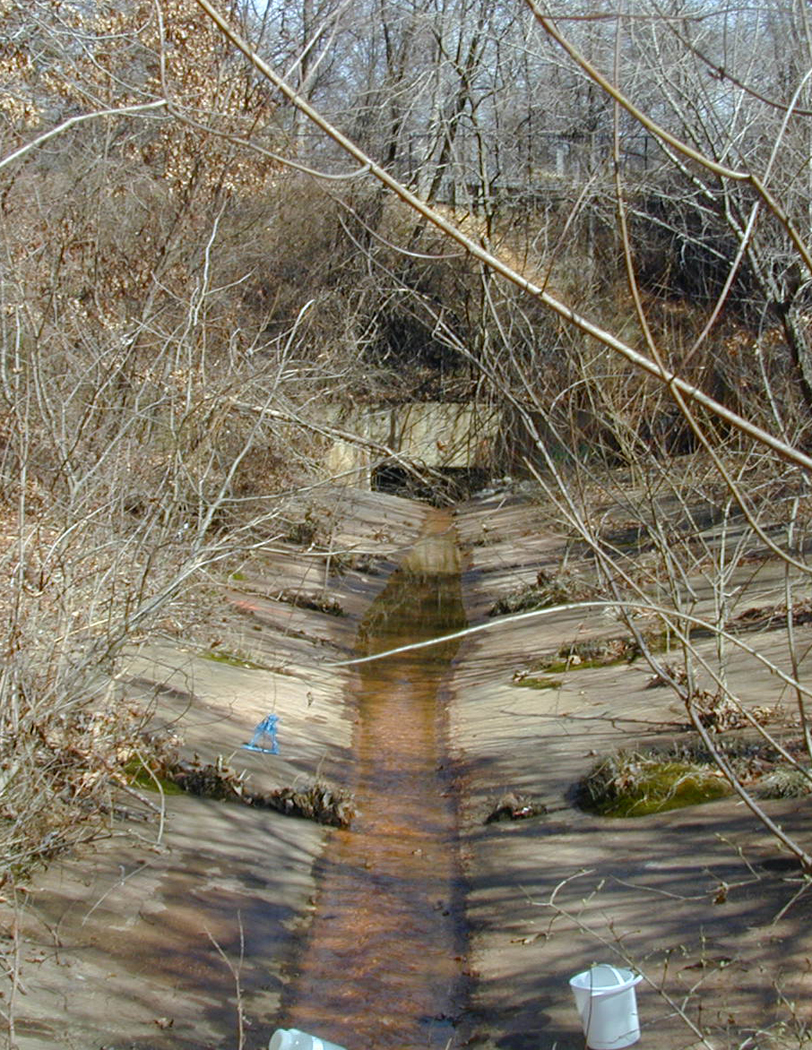 An example of a highly channelized urban stream.
|
|
Urban Land Use
|
36.9 %
|
|
Agricultural Land Use
|
22.9 %
|
|
Forested Land Use
|
35.4 %
|
Stream Water Quality:
|
| pH (lab) |
7.67 |
Alkalinity
(acid neutralizing capacity)
|
804.2 µeq/L |
| Dissolved organic carbon (DOC) |
1.5145 mg/L |
Biological Stream Condition:
Surveys of the organisms living within a stream can give indications of stream health. Species richness, or the number of different species present, as well as indicator species (species whose presence, absence or abundance can serve as a measure of environmental conditions) are informative for stream health.
|
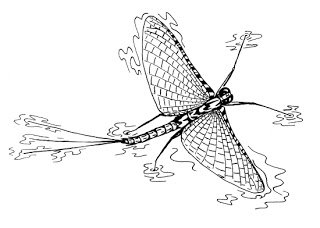 |
| Northern Dusky Salamander |
| Northern Green Frog |
| Orconectes obscurus |
| Orconectes virilis |
| Garlic Mustard |
| Japanese Barberry |
| Japanese Stiltgrass |
| Mile-A-Minute |
| Multiflora Rose |
| Tree Of Heaven |
|
|
|
Sensitive taxa: Green, Tolerant: Red, Intermediate: Gold.
|
| Genus/Family |
Common Name |
Count |
| RHEOTANYTARSUS |
Non-Biting Midges
|
33 |
| RHEOCRICOTOPUS |
Non-Biting Midges
|
20 |
| CHEUMATOPSYCHE |
Net-Spinning Caddisfly
|
14 |
| ORTHOCLADIUS |
Non-Biting Midges
|
14 |
| EUKIEFFERIELLA |
Non-Biting Midges
|
6 |
| ORTHOCLADIINAE |
Midge
|
4 |
| MACCAFFERTIUM |
March Brown And Cahill Mayfly
|
2 |
| CRANGONYX |
Amphipod
|
2 |
| DUBIRAPHIA |
Riffle Beetle
|
2 |
| EPHEMERELLA |
Sulphur Mayfly
|
2 |
| TAENIOPTERYX |
Winter Stonefly
|
1 |
| FERRISSIA |
Small Air-Breathing Freshwater Limpets
|
1 |
| CLINOCERA |
Aquatic Dance Fly
|
1 |
| ANTOCHA |
Crane Fly
|
1 |
| HEPTAGENIIDAE |
Flathead Mayfly
|
1 |
| HELISOMA |
|
1 |
| NEMOURIDAE |
Nemourid Stonefly
|
1 |
| PARAMETRIOCNEMUS |
Non-Biting Midges
|
1 |
| POLYPEDILUM |
Non-Biting Midges
|
1 |
| HYDROPSYCHE |
Net-Spinning Caddisfly
|
1 |
| TANYTARSINI |
Non-Biting Midges
|
1 |
| THIENEMANNIELLA |
Non-Biting Midges
|
1 |
| THIENEMANNIMYIA GROUP |
Non-Biting Midges
|
1 |
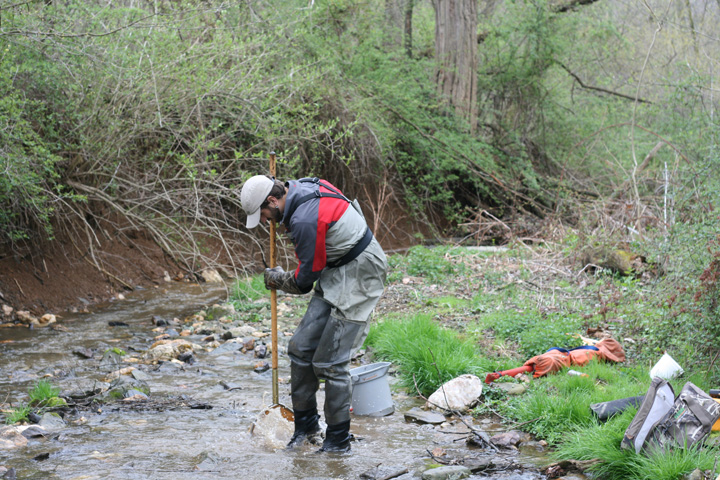
Sampling with a kick net.
|
|
Information disclaimer: The information and data on this page is for guidance and general planning purposes only. It should not be used to make decisions on specific matters.

 (Opens in a new window)
 (Opens in a new window)